Air travel in the mid-2020s presents a paradox: a landscape of unprecedented innovation alongside persistent operational challenges. Staffing shortages, supply chain disruptions, and the escalating impact of climate change are establishing a new standard for both airlines and passengers. Understanding these headwinds and the strategic responses to them is paramount for the discerning traveler. This analysis delves into the core issues shaping the aviation experience and outlines actionable strategies for navigating these turbulent skies with resilience and foresight.
The Persistent Staffing Crisis in Aviation
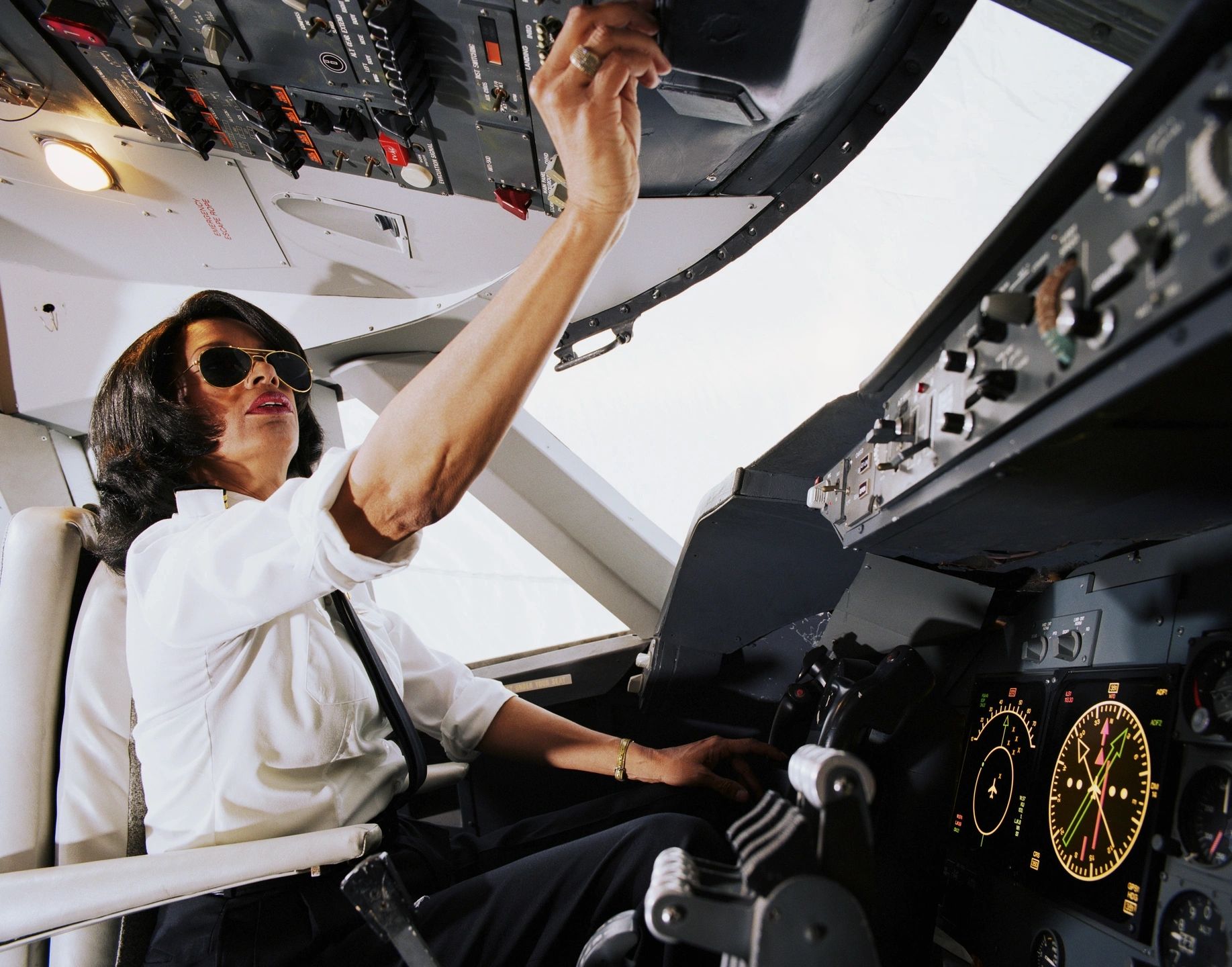
The aviation industry continues to grapple with a multifaceted staffing crisis that extends beyond the cockpit. Data from Q1 2026 reveals a continued contraction in U.S. airline employment, with significant job losses in both January and February. A critical shortage of skilled aviation mechanics is imminent, with projections indicating 45,000 retirements over the next decade and a peak shortfall expected in 2028. This scarcity directly impacts maintenance schedules and operational reliability. Simultaneously, demand for airline pilots remains robust, with a projected 4% growth through 2034, translating to approximately 18,200 annual openings . The Federal Aviation Administration (FAA) also faces its own staffing challenges, particularly among air traffic controllers. Ground delay programs linked to controller shortages increased nearly 20% at the nation’s busiest airports between 2023 and 2025, directly contributing to flight delays and cancellations . These personnel deficits collectively exert immense pressure on airline operations, leading to increased crew fatigue, elevated operational costs, and potential compromises on safety and compliance .
Aircraft Supply Chain and Delivery Headwinds
The ambitious growth plans of airlines are frequently constrained by persistent challenges in the aircraft manufacturing supply chain. While both Boeing and Airbus are striving to ramp up production, delivery schedules remain a critical factor. Boeing anticipates delivering 600 aircraft in 2026, marking its highest annual output in seven years, and has successfully cleared the backlog of grounded 737 MAX aircraft. Airbus, similarly, plans for record commercial aircraft deliveries in 2026, having delivered 114 aircraft year-to-date as of March. New models, such as the Boeing 777-9, are in active manufacturing, yet initial deliveries are still pending in early 2026. These production rates, while improving, often struggle to keep pace with airline demand, leading to fleet modernization delays and continued reliance on older, less fuel-efficient aircraft.
Climate Change and Operational Resilience
Extreme weather events are no longer anomalies; they are an increasingly predictable factor in aviation operations. Airports worldwide are experiencing more frequent closures and delays due to intense heatwaves, severe storms, and altered precipitation patterns. Adapting to these new realities requires significant investment in climate-resilient infrastructure. Airports are deploying heat-resistant materials and implementing comprehensive strategies to protect against rising sea levels and extreme weather. Rising temperatures also directly affect aircraft performance, necessitating longer runways or reduced payloads in extreme heat conditions. This climate-driven volatility calls into question proactive planning and robust operational flexibility.
Strategic Solutions for Disruption Management
Navigating these turbulent skies demands innovative solutions. Airlines are increasingly turning to advanced technologies for disruption management. Artificial intelligence (AI)-driven tools are being deployed to optimize crew scheduling and facilitate rapid passenger re-accommodation during mass disruption events. These systems analyze vast datasets to predict potential bottlenecks and propose efficient recovery strategies, minimizing cascading delays. Furthermore, the integration of Sustainable Aviation Fuel (SAF) into airline operations represents a crucial long-term solution for environmental resilience, despite facing pricing challenges. SAF reduces carbon emissions and also positions airlines for a future less reliant on volatile fossil fuel markets.
BLEISURRE Strategies for the Discerning Traveler
For the BLEISURRE traveler, these challenges present opportunities for strategic advantage. Here are key approaches to ensure a seamless and sustainable journey:
•Leverage Luxury Resilience: Premium travelers can mitigate disruption risks through flexible booking options, access to private terminals, and dedicated concierge services. These amenities offer insulation from the broader operational turbulence affecting mass-market travel.
•Prioritize Fleet Modernity: Choose airlines operating the newest and most fuel-efficient aircraft, such as the Airbus A350 or Boeing 787. These fleets offer superior operational reliability, reducing the likelihood of mechanical delays, and contribute to a lower carbon footprint.
•Embrace Intelligent Planning: Utilize real-time data analytics and predictive tools to anticipate and avoid periods of high operational stress. This includes monitoring weather forecasts, air traffic control advisories, and airline performance metrics to make informed booking and travel decisions.
•Support Sustainable Choices: Actively seek airlines that invest in SAF and robust carbon offsetting programs. Consider using loyalty points for environmental contributions, aligning personal travel with broader sustainability goals.
The aviation landscape of Q2 2026 is defined by both challenge and innovation. Persistent staffing issues, supply chain pressures, and the undeniable impact of climate change demand a new level of strategic engagement from airlines and travelers. Solutions emerge through technological advancements, resilient infrastructure, and a concerted shift towards sustainable practices. The discerning BLEISURRE traveler, armed with intelligence and a commitment to conscious choices, can navigate these complexities and contribute to shaping a more reliable, comfortable, and environmentally responsible future for air travel.