A thermal resort makes a quiet promise. Enter tired, leave restored. Heat loosens the body, cold sharpens attention, mineral water gives the ritual an ancient authority, and the landscape creates a sense that recovery begins before treatment even starts. The promise becomes more serious when a resort presents itself as a longevity destination. Health claims then sit beside questions of energy, water, land, construction, and travel. A retreat that supports human recovery while exhausting the place that hosts it carries a contradiction at its center.
Thermal wellness deserves a more exact standard. Evidence reviewed in GeroScience suggests that cold-water exposure may influence cardiovascular function, mood, energy expenditure, inflammation, sleep, and exercise recovery, although the strongest findings remain limited by small studies and uncertain protocols. Heat therapy has its body of research, with sauna use associated in observational studies with cardiovascular benefits. The association does not establish that a sauna causes a longer life, and it cannot justify every claim made by a luxury retreat. A credible destination must distinguish established effects, promising signals, and marketing language.
That discipline matters because the industry is expanding beyond the traditional spa. Hot springs, contrast circuits, infrared rooms, cryotherapy chambers, mineral baths, recovery suites, and medically supervised programs now occupy the same travel category. The Global Wellness Institute identifies a movement toward measurable health outcomes, structured recovery programs, geothermal optimization, water recirculation, and reduced dependence on fossil energy. The shift creates an opportunity for thermal destinations to become useful models of sustainable wellness. It also exposes the cost of treating nature as an unlimited amenity.
A geothermal spring carries a particular authority because the heat comes from the earth. Its presence does not make a resort automatically sustainable. Water extraction can alter aquifers, discharge can affect rivers and soils, and poorly managed mineral water can place pressure on local ecosystems. A large pool complex may require constant pumping, filtration, heating, cleaning, and replacement water. Even a naturally heated site can become resource intensive once the landscape is reshaped to accommodate hundreds of guests, kitchens, laundry, accommodation, parking, and transport infrastructure.
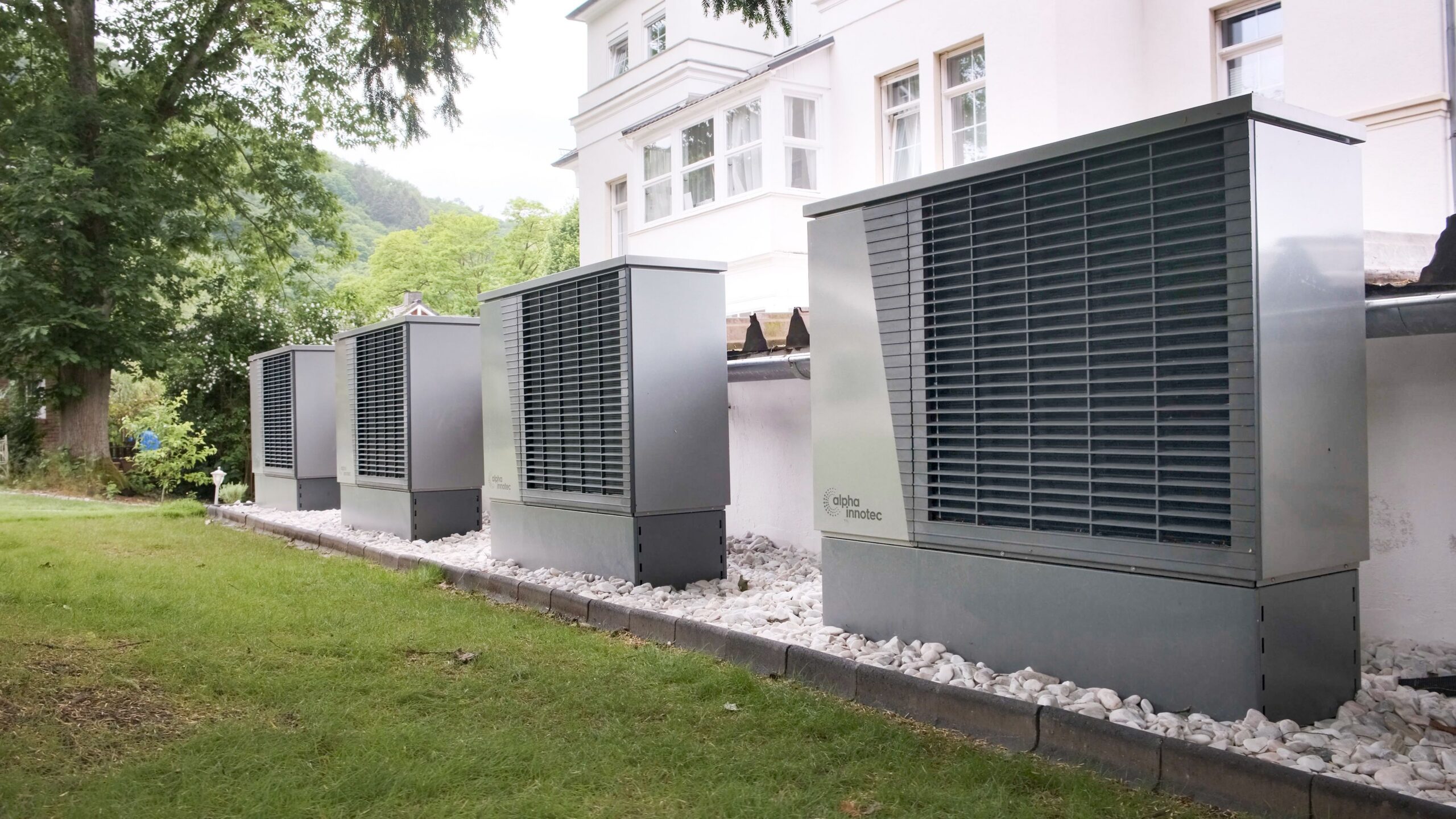
Energy offers the clearest test. Thermal facilities demand heat at the same moment that wellness brands are selling low-impact living. A resort that burns fossil fuels for pool heating, uses carbon-intensive electricity for cooling systems, and flies guests across continents to a remote location carries a substantial environmental burden before the first treatment begins. Geothermal systems can reduce combustion and provide dependable heat, while heat pumps, heat recovery, efficient building envelopes, and renewable electricity can reduce operating demand. MIT research on next-generation geothermal systems shows how underground heat can supply reliable industrial process heat and improve energy resilience, although the technical and financial case varies by site . A resort must demonstrate what its energy system achieves rather than borrow the language of geothermal virtue.
Water presents an equally important question. Thermal bathing is a water experience, and water scarcity affects communities across every region. Responsible design begins with a clear account of withdrawals, replenishment, discharge, filtration, and reuse. Water recirculation can reduce demand when public health standards permit it. Rainwater capture may support landscape irrigation. Native planting can limit irrigation requirements. Greywater systems can reduce pressure on freshwater supplies when local regulation and treatment capacity support them. These measures work best when the resort reports its performance in a form that residents, guests, and regulators can understand.
A sustainable thermal destination also has to respect the people who live around it. A hot spring can generate employment, preserve cultural heritage, support local suppliers, and attract investment into a rural region. It can also increase property pressure, displace local access, strain municipal infrastructure, and convert a shared natural resource into an exclusive product. Community benefit cannot be reduced to a local hiring claim. The meaningful questions concern ownership, water rights, public access, wages, procurement, and the share of revenue that remains in the region.
Health outcomes require the same care. Heat and cold can produce intense physiological responses, including changes in circulation, heart rate, blood pressure, and stress hormones. Those responses may support recovery for some people and create danger for others. Individuals with cardiovascular conditions, pregnancy-related concerns, medication interactions, or poor heat tolerance require professional guidance before undertaking intense thermal exposure. A premium wellness destination should employ qualified clinicians, collect informed consent, explain contraindications, and resist the pressure to turn discomfort into proof of effectiveness.
The strongest resorts will treat thermal design as a connected system. A guest’s recovery program should relate to the building’s energy source, the water cycle, the local climate, and the carrying capacity of the destination. A short regional journey may produce a lower travel burden than a long-haul flight to an isolated property. A compact retreat with year-round local demand may carry a different impact profile than a sprawling resort dependent on seasonal international traffic. A program built around walking, sleep, local food, thermal bathing, and quiet recovery may require fewer imported technologies than a facility filled with high-energy devices.
That distinction gives wellness travellers a clearer way to assess the market. The question is not whether a resort has a sustainability page. The question is whether its health promise survives scrutiny across the full operating system. Guests should be able to find evidence about energy sources, water stewardship, waste, construction materials, local employment, medical oversight, and the limits of the treatment claims. Independent certification can help, although certification quality varies and a badge cannot replace transparent reporting.
The thermal resort of consequence will connect personal restoration with ecological restraint. Its pools will respect the watershed. Its buildings will use heat intelligently. Its clinicians will speak carefully about evidence. Its food systems will support nearby producers. Its business model will leave value with the community. Its guests will understand that wellness includes the conditions that allow a place to remain healthy after the visitor has gone.
That is the standard the industry should now accept. A resort earns the language of healing when its operating model protects the source of its appeal. Human recovery and planetary care belong inside the same conversation, held together by evidence, accountability, and design.