Elite global movement has reached a critical inflection point where the ultimate luxury is the absence of noise. Modern transit environments often bombard the senses with a relentless cacophony of mechanical hums and digital announcements. High-performance individuals now seek a strategic sanctuary within this chaos. Silence has evolved from a passive state into a meticulously engineered asset. This shift reflects a more profound understanding of how acoustic environments dictate cognitive clarity and systemic recovery. The discerning traveler recognizes that a quiet journey is a prerequisite for a sharp arrival.
Acoustic engineering now serves as the silent foundation of the premium cabin experience. Traditional soundproofing relied on heavy insulation that added significant weight to the airframe. Advanced nanomaterials and lightweight composites have transformed this equation. These materials dampen engine vibrations and aerodynamic noise with surgical precision. Nanotechnology allows for the creation of acoustic barriers that are significantly thinner yet more effective than their predecessors. This weight reduction directly enhances fuel efficiency, aligning personal comfort with environmental stewardship. The integration of these materials ensures that the cabin remains a restorative space for deep work or profound rest.
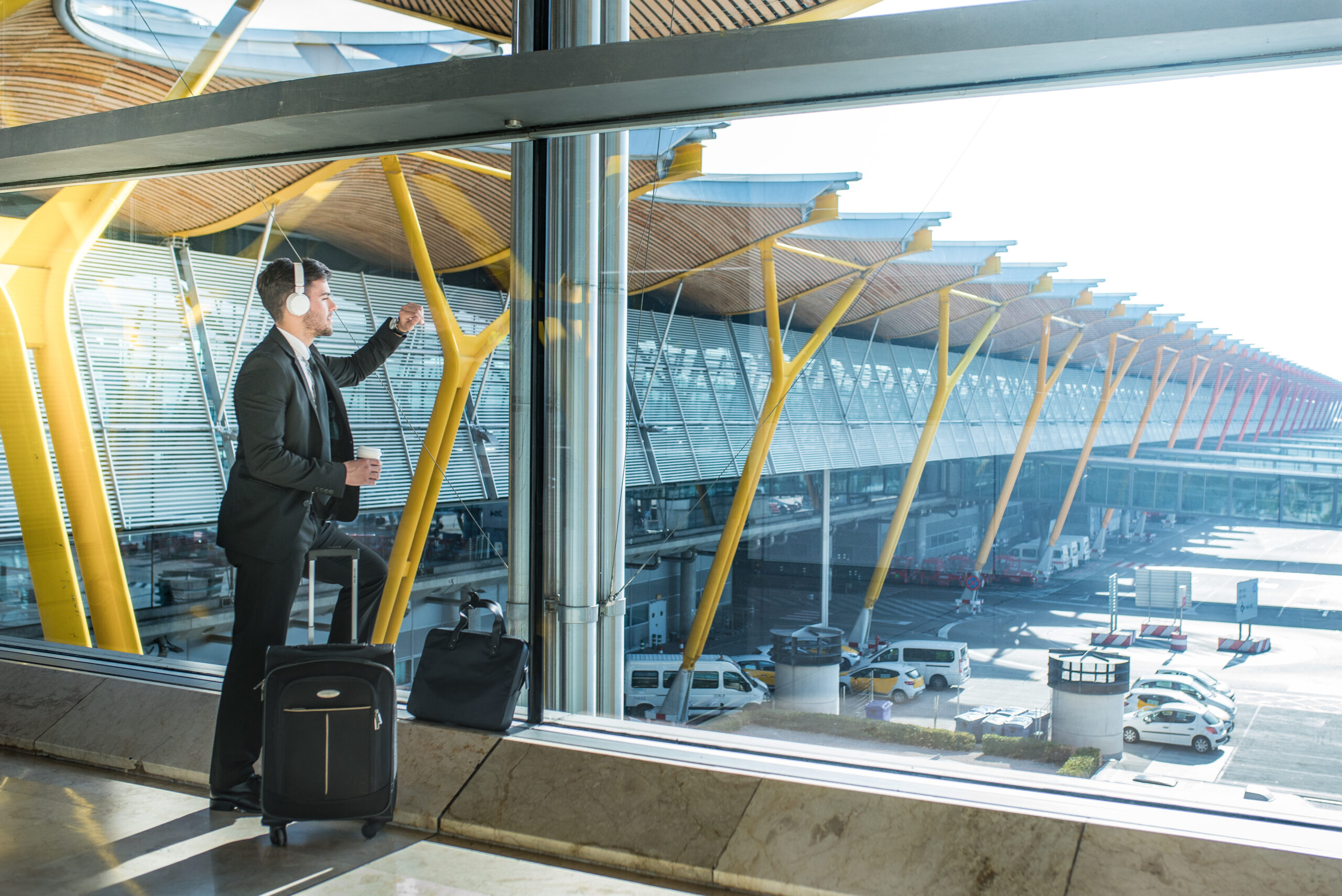
The design of modern airport terminals has also undergone a radical transformation. Traditional hubs relied on broad, frequent public announcements that contributed to a high baseline of stress. Leading international gateways have adopted a “quiet by design” philosophy. This approach replaces loud speakers with targeted information delivery through personal devices and localized digital displays. Acoustic wall panels and high-performance ceiling baffles absorb mid-frequency sound energy before it can reverberate. These materials often incorporate biophilic elements, using natural textures to create a sense of calm. The result is a terminal that feels more like a high-end gallery than a transit point.
Psychological research confirms that even brief periods of silence significantly boost cognitive performance. Constant noise exposure triggers a low-level stress response that erodes executive function over time. Silence allows the brain to enter a state of default mode network activity, which is essential for creative problem-solving and long-term planning. Strategic silence during a long-haul flight provides the mental space required to synthesize complex information. This biological arbitrage allows the traveler to reclaim time that would otherwise be lost to sensory fatigue. The ability to control one’s acoustic environment is a hallmark of the modern sovereign traveler.
The rise of private aviation further underscores this demand for total acoustic control. Private jets provide a level of privacy and silence that commercial first class cannot match. Floor-to-ceiling doors and dedicated acoustic zones create a true office in the sky. These environments are designed to facilitate high-stakes negotiations and deep concentration. The engineering focus has shifted toward eliminating the very frequencies that cause human fatigue. Smart textiles and active noise-canceling systems are being integrated directly into the cabin architecture. This ensures that the environment remains stable regardless of external conditions.
Sustainability remains a core driver of these acoustic innovations. Lighter sound-dampening materials reduce the overall carbon footprint of every journey. The development of cone-shaped sound-absorbing panels has shown the potential to reduce engine noise by nearly half. These advancements demonstrate that the pursuit of silence is not a frivolous luxury. It is a technical necessity that improves both the passenger experience and the efficiency of the aircraft. The modern elite are trading the prestige of visible luxury for the invisible power of a quiet environment. This transition marks the maturity of the global travel industry.
The future of global transit will be defined by the seamless integration of silence into every touchpoint of the journey. This architecture of silence is not a mere aesthetic choice. It is a strategic investment in human capital. The travel industry allows its most valuable passengers to maintain their peak performance by removing the friction of noise. The journey becomes a period of intentional displacement rather than a physiological drain. Silence is the new gold standard of global mobility. It provides the clarity required to navigate an increasingly complex world. This evolution ensures that the act of travel remains a tool for growth and excellence.