

The Architecture of Purpose and the New Sovereign Legacy
The accumulation of capital has ceased to be the ultimate metric of financial success. We are currently navigating the early […]
The accumulation of capital has ceased to be the ultimate metric of financial success. We are currently navigating the early […]
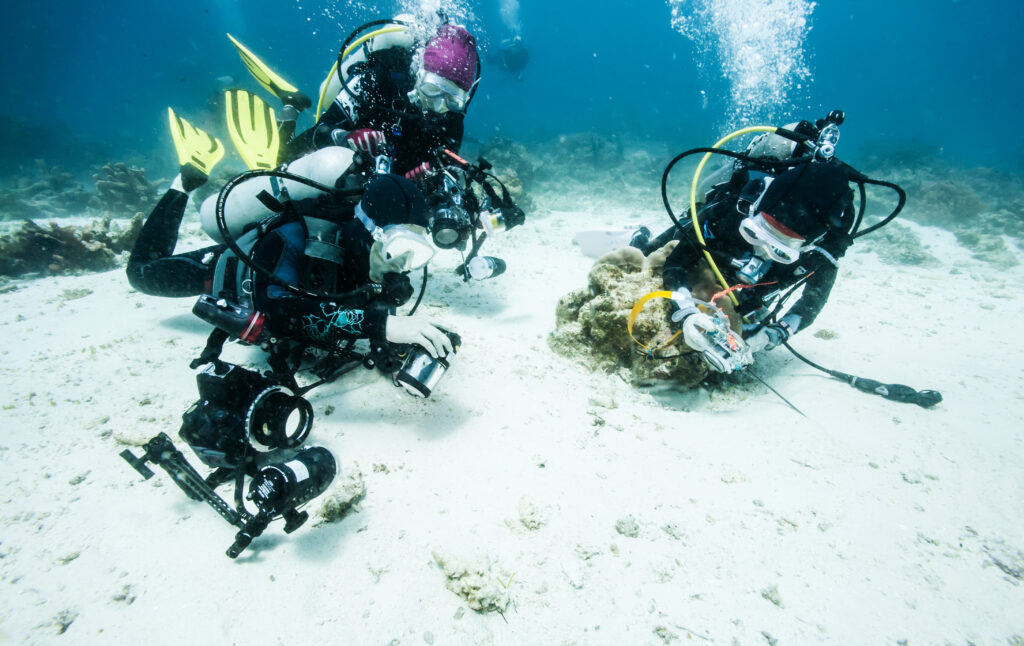
The human obsession with life extension has historically focused on terrestrial solutions. We look to the soil for regenerative agriculture, to the laboratory for synthetic compounds, and to the digital world for bio-optimization algorithms. This land-based perspective ignores the most significant reservoir of biological and chemical diversity on the planet. The ocean, covering over seventy
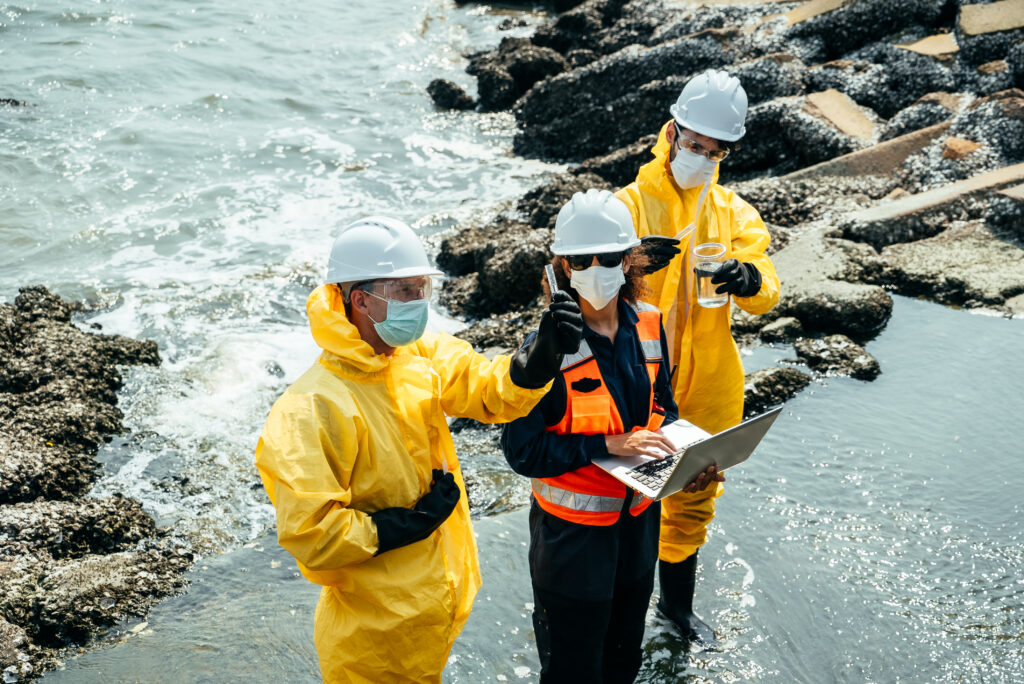
The evolution of global capital has reached a decisive juncture, and we now recognize the preservation of marine ecosystems as a primary driver of institutional value. We have moved past the era of passive environmental, social, and governance metrics that focused on the mitigation of harm. In the current economic landscape, the strategic imperative has

The financial models of the past century treated the natural world as a limitless, unpriced externality. This extractive paradigm is rapidly approaching its terminal velocity. The systemic depletion of natural capital from soil degradation to ocean acidification presents a quantifiable, material risk to global portfolios. A sophisticated class of investors is abandoning the defensive posture

The architecture of wealth is fundamentally misaligned with the reality of modern human biology. The financial services industry has operated

The Pacific Northwest, a region long celebrated for its technological prowess and its deep-seated connections to the Pacific Rim, now asserts a formidable new identity. Seattle, a metropolis synonymous with innovation and a discerning global outlook, has meticulously positioned itself as a pivotal transatlantic gateway. This evolution represents a deliberate recalibration of global flight architecture,
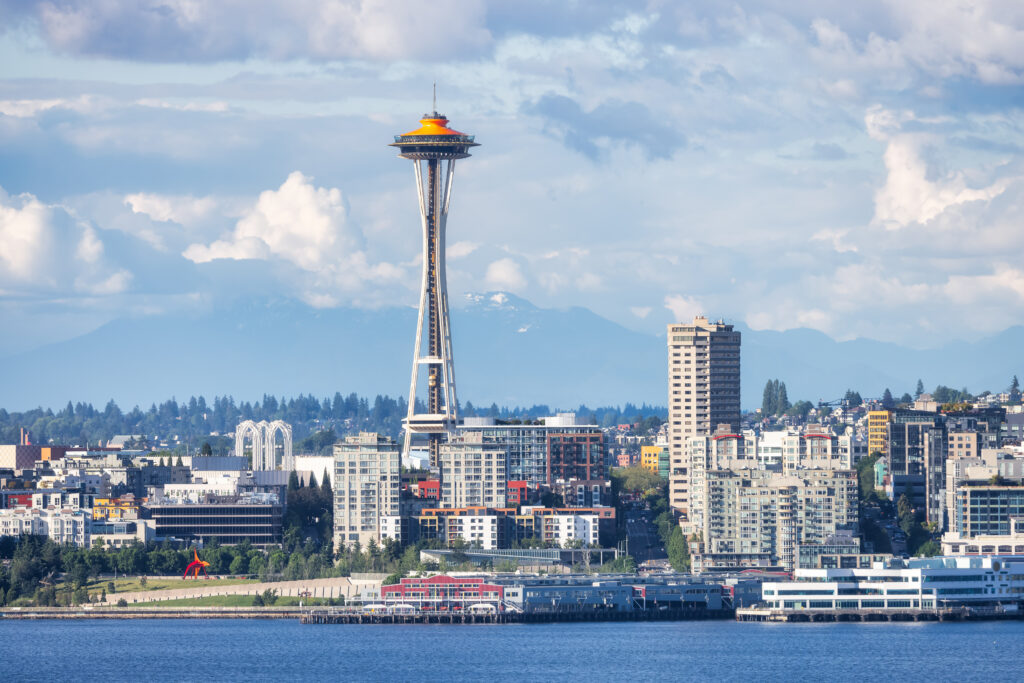
The Pacific Northwest, a region long defined by its spirit of innovation and its profound connection to the Pacific Rim,

The transition toward an agentic enterprise requires a fundamental shift in how leadership perceives the structure of decision-making. In the

The delegation of decision-making authority to agentic systems has introduced a new dimension of organizational risk and opportunity. In the

The conversation surrounding plastic pollution has historically focused on the external environment: oceans choked with debris, marine life entangled in