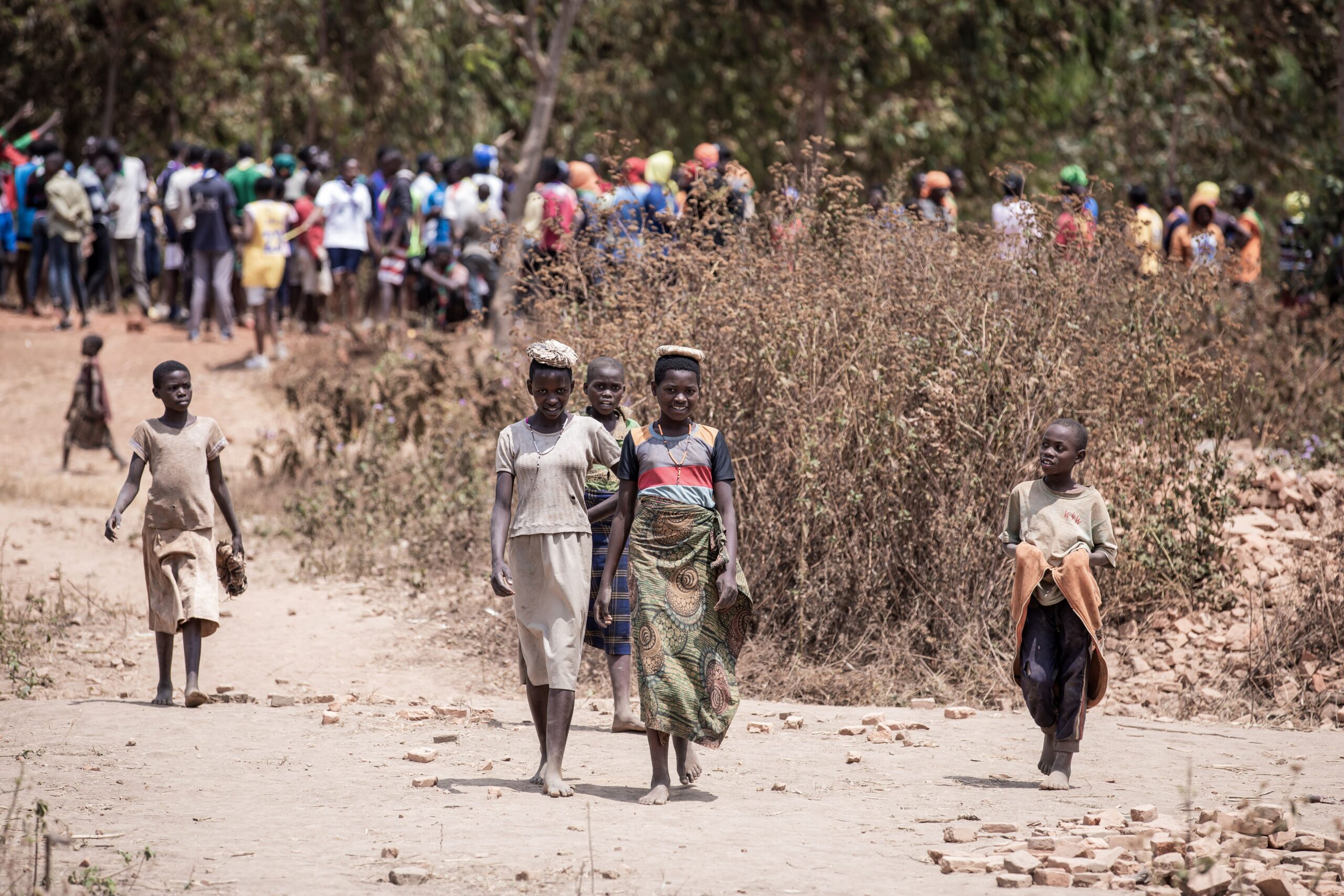
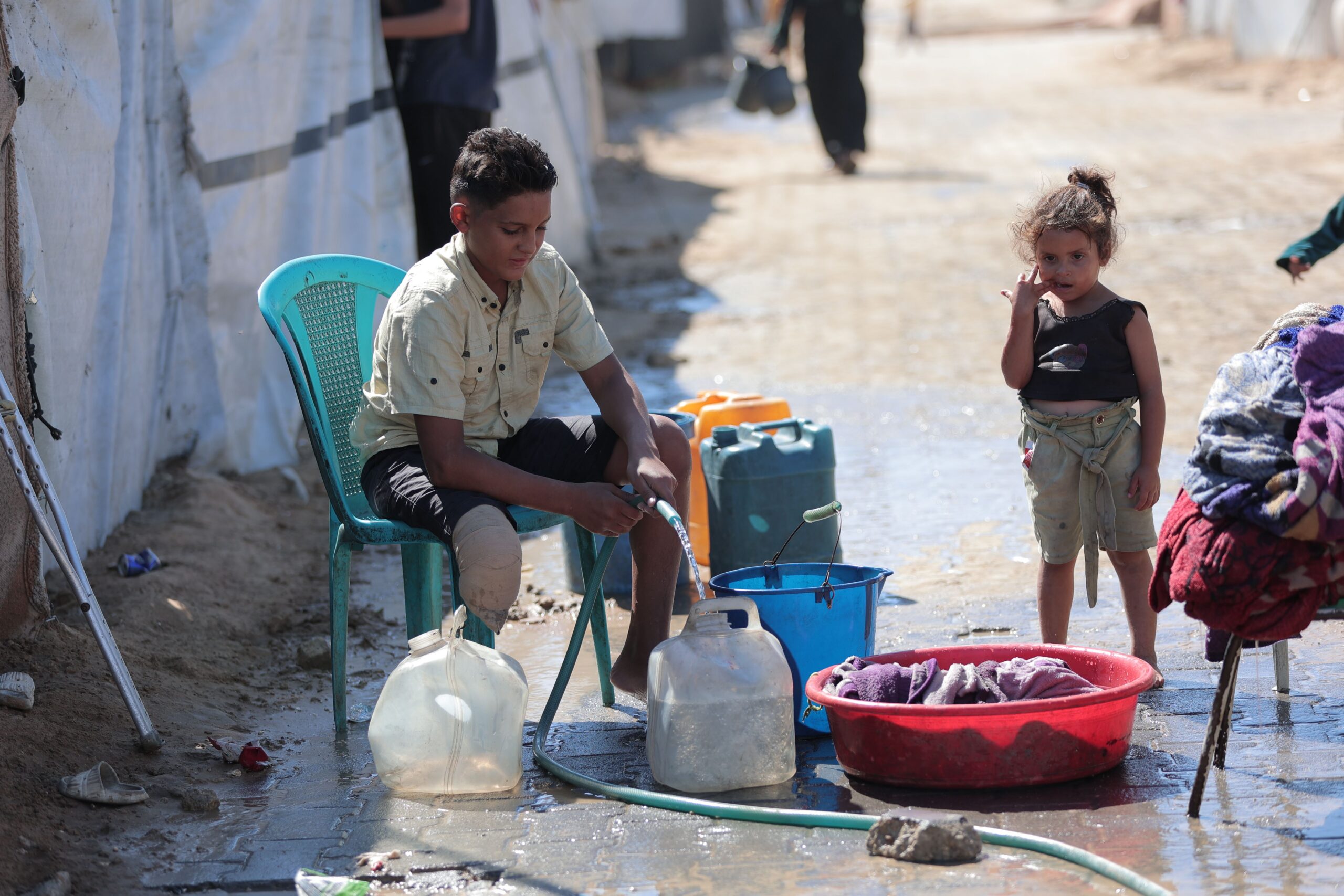
Climate change is often presented as a shared threat. The illness, displacement, and financial loss it creates are distributed very differently. A family living beside a floodplain, a farm worker laboring through extreme heat, a child breathing wildfire smoke, and a rural clinic without reliable electricity face costs that wealthier communities can often reduce, postpone, or transfer.
The central question has therefore moved from whether climate change harms health to who is made to absorb the harm. The answer sits at the intersection of emissions, infrastructure, income, age, geography, and political power. It also exposes a weakness in the way humanitarian aid is funded. Emergency assistance arrives after the shock, while many of the conditions that determine the scale of suffering were visible long before the flood, heatwave, or drought.
Exposure follows inequality
The World Health Organization estimates that 3.6 billion people already live in areas highly susceptible to climate change. It projects around 250,000 additional deaths each year between 2030 and 2050 from undernutrition, malaria, diarrhea, and heat stress alone. Direct damage costs to health could reach between US$2 billion and US$4 billion annually by 2030, excluding wider losses in agriculture, water and sanitation.
Those figures describe a global burden, yet they conceal the distribution of risk. WHO states that low-income countries and small island developing states have contributed relatively little to greenhouse gas emissions while experiencing some of the harshest health effects. Death rates from extreme weather in vulnerable regions were 15 times higher than in less vulnerable regions during the last decade examined by the agency.
A disaster becomes a health crisis through the systems surrounding it. A storm can damage a hospital, interrupt vaccination, contaminate water and remove the income needed to buy food. A drought can reduce crop yields, force migration and close a clinic that depends on water deliveries. Heat can turn an ordinary working day into a period of kidney injury for people whose livelihoods keep them outdoors.
Heat reaches the workplace
The 2025 Lancet Countdown reports that the rate of heat-related deaths has risen 23% since the 1990s, reaching an estimated 546,000 deaths a year. Its data also show how climate exposure enters the body through air and disease. Wildfire smoke was associated with an estimated 154,000 deaths from fine particulate pollution in 2024, while the global average transmission potential for dengue has risen by up to 49% since the 1950s. 2025 Lancet Countdown findings
Outdoor workers carry a particular burden. Agricultural laborers, construction workers, street vendors, transport workers, and people involved in disaster response may have little control over their hours, shade, water, or access to medical care. Heat stress can damage the kidneys and worsen cardiovascular disease. A worker who stops to recover may lose wages or risk dismissal. The health cost is therefore attached to the body and the household economy at the same time.
This creates a humanitarian problem that emergency shelters cannot solve on their own. Heat action plans, paid rest, drinking water, shaded workplaces, early warnings, and enforceable safety standards are forms of prevention. They reduce the number of people who need rescue later. Public health protection should sit inside labor policy, food policy, and urban planning rather than appearing only in a disaster response document.
Children inherit the exposure
Children experience climate hazards through developing lungs, brains, immune systems and temperature regulation. UNICEF reports that more than one billion children live in countries at extremely high risk from climate impacts. Infants and young children heat up faster, sweat less efficiently, and cool down more slowly, leaving them more vulnerable to dehydration and prolonged heat stress.
The consequences continue after the weather event. Poor sleep can affect learning and emotional health. Floods and storms can interrupt education, nutrition, and basic healthcare. UNICEF estimates that climate-related disasters disrupt the education of around 40 million children each year. Air pollution adds a further layer of risk while lungs are still developing, with children in parts of Africa facing far higher pollution-linked mortality than children in high-income countries.
A child’s exposure is shaped by decisions made before birth. Heat during pregnancy can affect premature birth, birth weight and stillbirth risk. Food price increases can reduce the quality and quantity of household meals. Displacement can separate families from schools, clinics and social support. Climate policy that ignores childhood is therefore policy that accepts a long tail of preventable health damage.
Poverty multiplies the bill
The World Bank’s November 2025 health and climate brief estimates that climate-related health effects could push at least 44 million people into extreme poverty by 2030. It places the excess health costs in low- and middle-income countries at a minimum of US$21 trillion by 2050, equal to about 1.3% of projected gross domestic product.
These estimates show why climate change belongs inside humanitarian finance and economic policy. A household can cross into poverty through medical bills, lost work, damaged assets, or the price of food after a climate shock. A government can face the same pressure at national scale when hospitals require reconstruction, disease surveillance expands, and revenue falls after a harvest failure.
Health systems also carry a double responsibility. They must remain functional during heat, flood, drought, and disease outbreaks while reducing their own emissions. The World Bank estimates that healthcare produces around 5% of global greenhouse gas emissions. Solar power for clinics, efficient equipment, resilient supply chains, and climate-informed surveillance can protect patients while reducing dependence on fragile fuel deliveries.
Aid must change its timing
Humanitarian aid has traditionally been measured by what happens after an emergency. The next standard should examine how much suffering was prevented before it arrived. Early warning systems, cash support before predictable shocks, climate-resilient clinics, local food storage, safe water infrastructure, and heat protection can all reduce the need for emergency intervention.
Adaptation requires money, local knowledge, and institutional continuity. A warning system that reaches a capital city while missing remote villages has limited value. A new clinic that depends on imported fuel may fail during a supply disruption. A relocation plan that ignores land rights can create a second humanitarian crisis. Effective protection must be designed with the people who will use it and maintained after international attention moves elsewhere.
Emissions reduction remains essential because adaptation has limits. The WHO states that every additional fraction of warming increases health risks. Cleaner energy, safer transport, healthier food systems and more liveable cities can reduce emissions while improving health. The choice is therefore larger than a financial transfer between countries. It concerns whether the global economy will continue to place the highest health costs on people with the least power to avoid them.
Climate change has made health a balance sheet, a workplace issue, a childhood issue and a question of humanitarian justice. The people bearing the largest costs are often the people who contributed least to the problem. A credible response will measure protection before disaster, fund resilience where exposure is highest, and treat health as the clearest reason to change the systems producing the risk.