Modern medicine grapples with a simple yet profound question: What is the value of extra years if they lead to decline? Despite the dramatic increase in global life expectancy from 47 years in 1950 to over 73 years today, the quality of these additional years remains largely unchanged. The average person now spends their final 12 to 15 years managing chronic diseases and watching their vitality slowly fade away.
This stark reality has sparked a revolutionary shift toward something far more valuable than mere longevity: healthspan. While lifespan measures the total number of years we live, healthspan represents the years we live in vibrant health, free from chronic diseases and disabilities that rob life of its joy and meaning.
The Healthspan Revolution Through Travel
Travel has always possessed transformative power, but traditional wellness travel has focused primarily on temporary relaxation rather than measurable, lasting improvements to our biological age and long-term health prospects. The healthspan revolution changes everything, transforming travel into a strategic investment in our future vitality.
This transformation requires understanding how our environment affects our health. The places we visit, activities we pursue, foods we eat, and practices we adopt during travel can create lasting physiological changes that extend far beyond our trips. These changes build up over time, resulting in a cumulative effect that can increase both our lifespan and the quality of our lives.
Environmental Medicine: Nature as Therapy
Specific natural environments serve as powerful therapeutic interventions that create lasting physiological adaptations. Research in environmental medicine demonstrates how strategic destination selection can optimize health outcomes.
High-Altitude Benefits: Exposure to reduced oxygen levels triggers cardiovascular adaptations that enhance heart function, improve oxygen utilization, and stimulate new blood vessel development. These benefits persist for months after returning to sea level. Destinations like the Swiss Alps or Colorado Rockies provide natural cardiovascular conditioning that rivals intensive fitness programs.
Coastal Healing: Ocean environments generate negative ions that enhance mood, improve respiratory function, and reduce stress hormones. The rhythmic sounds of waves promote relaxation through brainwave entrainment, while clean ocean air provides respiratory benefits. Regular coastal exposure can lead to lasting improvements in mental health and lung function.
Forest Therapy: Trees release aromatic compounds called phytoncides that boost immune function when inhaled. Research shows forest bathing increases natural killer cell activity for up to 30 days, providing cancer-fighting benefits. The visual complexity of forests also promotes cognitive restoration and stress reduction.
Nutritional Healthspan Through Cultural Immersion
Traditional dietary patterns from long-lived populations offer evidence-based frameworks for nutritional optimization that can be experienced through travel.
Mediterranean Mastery: Authentic Mediterranean eating patterns emphasize olive oil, vegetables, fish, and whole grains while minimizing processed foods. This approach reduces inflammation, protects cardiovascular health, and preserves cognitive function. Travel to regions like Crete or Sardinia provides immersive experiences in this scientifically validated dietary pattern.
Okinawan Wisdom: Traditional Okinawan customs include eating until 80% full (hara hachi bu), eating purple sweet potatoes that are high in antioxidants, and focusing on fermented soy products. These practices contribute to exceptional longevity outcomes through caloric restriction benefits and unique nutritional compounds.
Blue Zones Principles: Research across five Blue Zones regions reveals common dietary characteristics, including plant-heavy diets with legumes as cornerstones, moderate alcohol consumption, and minimal processed foods. Each region shows how universal ideas can be put into action through practices that are unique to that culture.
Movement Optimization for Longevity
Physical activity represents one of the most powerful healthspan interventions, and travel provides unique opportunities to experience diverse movement traditions and natural activity environments.
Natural Movement Patterns: Traditional cultures integrate functional fitness through activities like varied terrain walking, swimming in natural waters, and traditional work patterns. These approaches foster strength, flexibility, and endurance, offering a more sustainable alternative to gym-based routines.
Traditional Practices: Authentic yoga in India, tai chi in China, and traditional martial arts offer sophisticated movement systems that combine physical fitness with mental discipline. Individuals can engage in these practices throughout their lives, emphasizing internal awareness.
Adventure Integration: Activities like hiking, rock climbing, and swimming in natural environments provide functional fitness while connecting with nature. These experiences often require progressive skill development and provide long-term motivation for continued fitness.
Sleep and Recovery Optimization
Sleep quality critically affects healthspan, and travel provides opportunities to optimize sleep through circadian rhythm reset and environmental optimization.
Circadian Reset: Strategic light exposure during travel can optimize sleep-wake cycles. Morning light exposure in destinations with unobstructed horizons helps establish strong circadian rhythms, while evening light management promotes natural melatonin production.
Environmental Optimization: High-altitude destinations often provide ideal sleep conditions through cool temperatures, clean air, and minimal noise pollution. Coastal locations offer temperature moderation and rhythmic ocean sounds that promote relaxation.
Traditional Sleep Practices: Scandinavian traditions emphasize fresh air and cool temperatures, while Mediterranean cultures practice afternoon siestas that align with natural circadian rhythms. These cultural approaches demonstrate how sleep timing can be optimized for health benefits.
Stress Management and Mental Resilience
Chronic stress accelerates aging, while travel provides powerful opportunities for stress reduction and resilience building through environmental change and traditional practices.
Environmental Stress Relief: Natural environments generally provide immediate stress reduction through multiple pathways. Forest environments reduce cortisol levels and blood pressure while promoting parasympathetic activation. Ocean environments provide stress relief through negative ion exposure and rhythmic sound patterns.
Traditional Practices: Meditation traditions from various cultures offer diverse approaches to stress management. Mindfulness practices can be learned in Buddhist contexts, while breathing techniques from yoga traditions provide immediate stress relief tools.
Cultural Perspectives: Exposure to different cultural approaches to work-life balance and life priorities can provide insights and strategies for stress management. Learning how traditional cultures prioritize community, rest, and meaning can inform personal stress management approaches.
Cognitive Enhancement Through Novel Experiences
Travel provides unique cognitive stimulation that promotes neuroplasticity and builds resilience against age-related cognitive decline.
Language Learning: Immersive language experiences during travel engage multiple cognitive systems and foster cultural connections. Bilingualism offers significant protection against cognitive decline while enhancing mental flexibility.
Skill Development: Learning new skills during travel, whether culinary techniques, artistic practices, or physical activities, promotes neuroplasticity while creating lasting abilities. The cultural contexts of skill learning enhance educational outcomes.
Cultural Navigation: Adapting to new cultures develops cognitive flexibility and problem-solving abilities that transfer to daily life challenges. These skills improve overall adaptability and resilience.
Social connections and communities
Strong social relationships rival diet and exercise in their impact on longevity, and travel provides unique opportunities for meaningful connection and community building.
Cross-Cultural Connection: Cultural exchange experiences create lasting relationships while building understanding and empathy. Homestays and community immersion programs provide authentic connection opportunities.
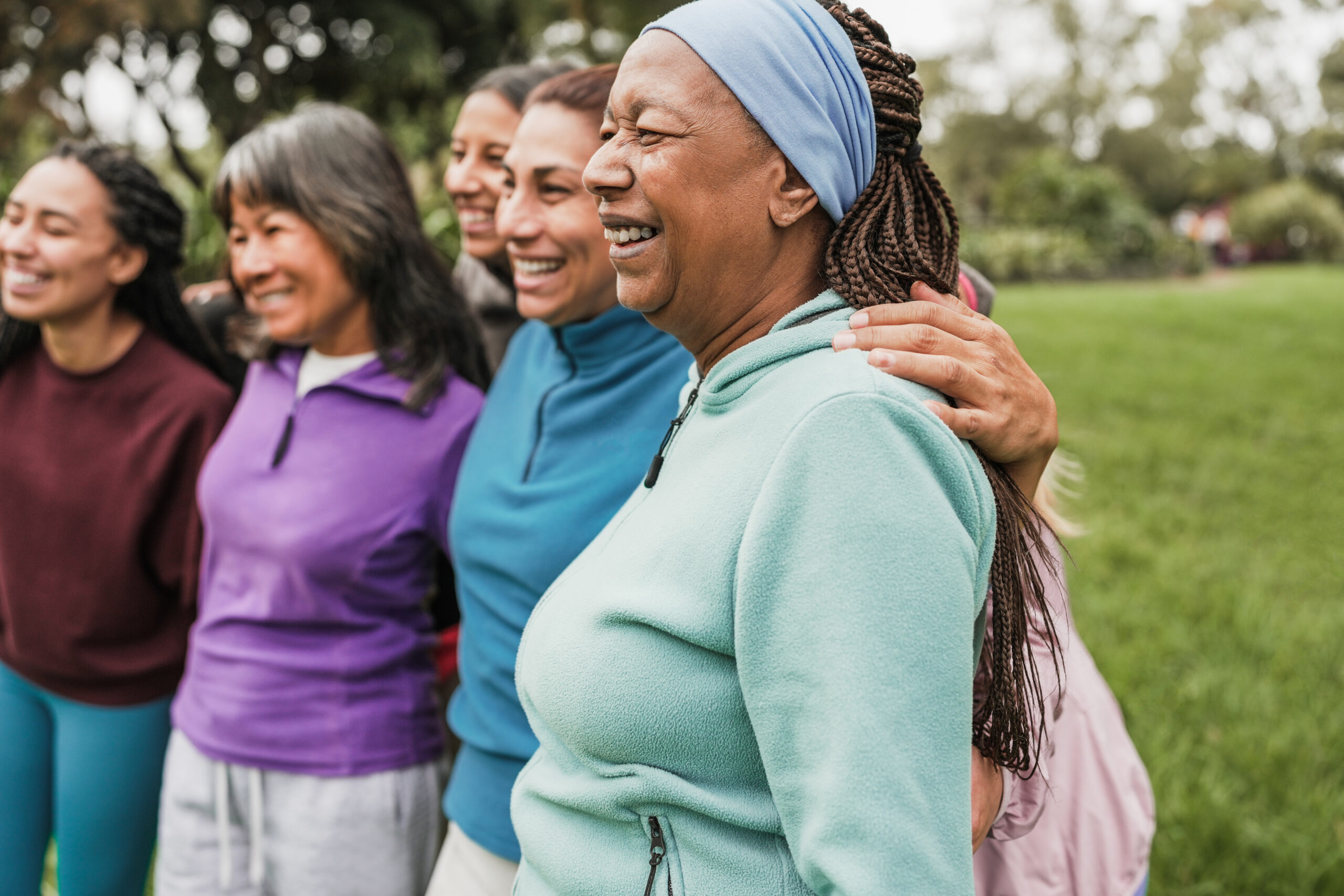
Group Experiences: Shared travel adventures create strong bonds through mutual challenges and support. Learning groups, adventure teams, and wellness retreats often develop lasting friendships based on shared experiences and values.
Community-Based Tourism: Programs that connect travelers with local communities provide authentic experiences while supporting sustainable development and cultural preservation.
Practical Implementation Strategies
Successful healthspan travel requires systematic approaches that consider individual needs, preferences, and goals while ensuring safety and effectiveness.
Assessment and Planning: Individual health status, fitness levels, and goals should inform destination selection and activity planning. Clear objectives provide direction while ensuring realistic expectations.
Destination Selection: Evidence-based destination choices consider environmental characteristics, cultural practices, and activity opportunities that align with health goals. Safety and accessibility factors ensure appropriate matches.
Integration and Sustainability: Post-travel integration focuses on incorporating beneficial practices into daily life while planning future experiences that build on previous outcomes. Technology can enhance planning and monitoring while maintaining focus on experiential learning.
The Future of Healthspan Travel
The convergence of longevity science and global travel accessibility creates unprecedented opportunities for strategic health optimization through travel. Advances in personalization through genetic testing and biomarker analysis enable increasingly precise travel prescriptions tailored to individual needs.
The sustainability imperative aligns perfectly with healthspan goals, creating travel experiences that benefit both individual and planetary health. This alignment gives meaning and motivation while also helping to reach global wellness goals.
Key Takeaways
•Healthspan Focus: Prioritize years lived in excellent health over total lifespan through strategic travel choices
•Environmental Medicine: Natural environments provide measurable therapeutic benefits that persist after travel
•Cultural Learning: Traditional practices offer evidence-based approaches to nutrition, movement, and wellness
•Holistic Integration: Combine environmental benefits with cultural learning and social connection for comprehensive health optimization
•Practical Application: Systematic planning and post-travel integration ensure lasting benefits and continued improvement
•Sustainable Approach: Align personal health goals with environmental and social responsibility for meaningful impact
Conclusion
The shift from lifespan to healthspan optimization represents a fundamental transformation in how we approach aging and travel. Understanding how travel experiences can create lasting improvements in health and vitality allows us to transform vacations into strategic investments in our future selves..
The science is clear: thoughtfully planned travel experiences can measurably improve cardiovascular health, cognitive function, stress resilience, and overall vitality while creating meaningful memories and connections. The choice before us is simple yet profound: continue viewing travel as a temporary escape, or embrace its potential as a powerful tool for extending our healthy years while creating lives of vitality, meaning, and joy.
The healthspan revolution has begun, and travel provides one of the most enjoyable and effective ways to participate. The question is whether we will choose to accept this potential and change how we think about aging, health, and the role of travel in making our lives truly vital.